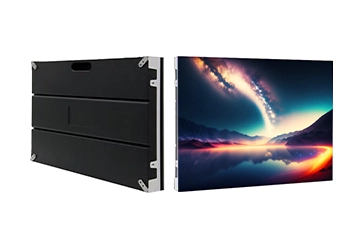
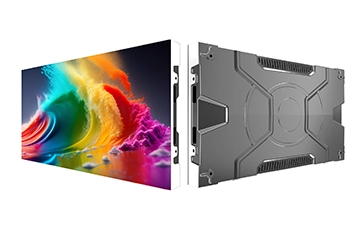
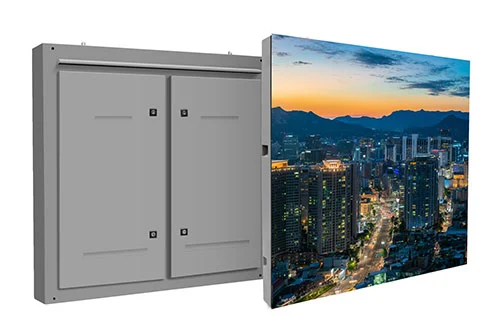
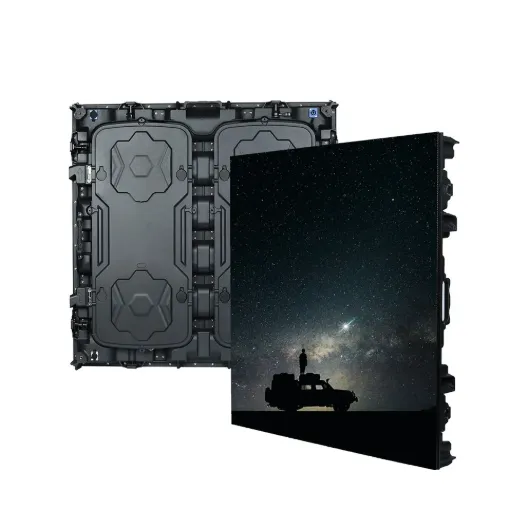
The U.S. advertising landscape is undergoing a major transformation, driven by the rapid adoption of digital technologies in outdoor environments. Traditional static billboards are increasingly being replaced by dynamic LED displays that offer real-time content updates, higher engagement rates, and better return on investment. Against this backdrop, the outdoor LED display industry has emerged as a critical segment within the broader digital signage ecosystem.
This article provides a comprehensive market analysis of outdoor LED displays in the United States, focusing on market size, growth drivers, applications, pricing trends, and future opportunities.
The U.S. outdoor LED display market is experiencing robust expansion, significantly outpacing the broader digital signage industry.
| Metric | Value | Source |
| Market size (2023) | USD 1.98 billion | Grand View Research |
| Forecast (2030) | USD 5.77 billion | Grand View Research |
| CAGR (2024–2030) | 16.5% | Grand View Research |
| U.S. digital signage market (2025) | USD 7.44 billion | Grand View Research |
| Forecast (2033) | USD 12.97 billion | Grand View Research |
The outdoor LED segment alone is expected to grow at a 16.5% CAGR, significantly higher than the overall digital signage market growth rate of 7.2%.
| Segment | CAGR | Growth Outlook |
| Outdoor LED Display | 16.5% | High-growth, driven by DOOH |
| Digital Signage (overall) | 7.2% | Stable, mature market |
Insight: Outdoor LED displays are one of the fastest-growing segments due to their dominance in Digital Out-of-Home (DOOH) advertising.
Digital Out-of-Home (DOOH) advertising is rapidly replacing traditional billboards. LED displays enable advertisers to:
· Rotate multiple ads in one location
· Update campaigns in real time
· Use data-driven targeting
Industry data shows that businesses are increasingly investing in dynamic signage to maximize visibility and ROI.
Government initiatives and urban modernization projects are fueling demand for outdoor displays in:
· Transportation hubs
· Public service announcements
· Smart city communication systems
These investments directly contribute to the adoption of advanced led screen solutions across urban environments.
Key innovations include:
· AI-powered content management
· IoT-enabled remote control
· Energy-efficient LED modules
For example, new billboard systems can reduce energy consumption by up to 30%, improving long-term ROI.
Displays larger than 52 inches are growing the fastest, as brands focus on immersive visual storytelling and experiential marketing.
Outdoor LED displays are widely used across multiple industries:
| Sector | Use Case | Growth Potential |
| Retail | Storefront advertising | High |
| Transportation | Airports, highways | High |
| Sports & Events | Stadium screens | Very High |
| Real Estate | Digital billboards | High |
| Government | Public information | Moderate |
Digital billboards remain the largest segment. A single LED billboard can generate over 15,000 daily impressions in high-traffic areas.
Mobile advertising is gaining traction through mobile led trailers, which allow brands to:
· Reach multiple locations
· Target events and crowds
· Reduce fixed installation costs
The event industry is a major contributor, with strong demand for stage rental led display systems in:
· Concerts
· Festivals
· Corporate events
Understanding pricing is crucial for buyers entering the U.S. market.
| Factor | Impact on Cost |
| Pixel pitch | Smaller pitch = higher price |
| Screen size | Larger displays cost more |
| Brightness | Outdoor screens require higher brightness |
| Installation | Structural and labor costs |
| Maintenance | Long-term operational cost |
In the U.S., the outdoor led display panel price varies widely depending on specifications, but high-resolution systems command premium pricing due to better visibility and durability.
| Type | Price Range (USD/m²) | Application |
| P10 Outdoor LED | Low | Highway billboards, long-distance viewing |
| P6 Outdoor LED | Medium | Retail storefronts, urban signage |
| P3–P5 Outdoor LED | High | Premium advertising, close-range viewing |
Rather than focusing on fixed numbers, the cost of outdoor LED displays in the U.S. market is typically structured around performance tiers and technical specifications.
Displays with larger pixel pitch (such as P10) are generally more cost-efficient because they require fewer LEDs per square meter and are designed for long-distance visibility. In contrast, smaller pixel pitch options (such as P3–P5) deliver higher resolution and image clarity, but involve more complex manufacturing and higher component density.
In addition, the led advertising board price is heavily influenced by non-hardware factors, including:
Installation environment (urban vs highway)
Structural engineering requirements
Brightness levels for sunlight visibility
Weatherproofing standards (e.g., IP65+)
These variables can significantly impact total project cost beyond the display panel itself, making it more practical to evaluate pricing based on application scenario and performance needs rather than fixed ranges.
The U.S. market is highly competitive, featuring both global and local players:
| Company | Strength |
| Daktronics | Strong presence in billboards |
| Samsung | Advanced display technology |
| LG Electronics | High-quality panels |
| Panasonic | Integrated solutions |
These companies focus on delivering creative led solutions that combine hardware, software, and content management systems.
Despite strong growth, the industry faces several challenges:
· Zoning laws limit billboard placements
· Environmental concerns impact approvals
· Infrastructure and installation costs remain high
· Outdoor environments increase wear and tear
Real-time bidding and automated ad placement will become standard.
Energy-efficient displays and recyclable materials will gain traction.
3D LED billboards are becoming popular in major cities.
AI-driven analytics will optimize ad performance and audience targeting.
For businesses entering the U.S. market:
· Focus on high-traffic urban locations
· Invest in scalable systems
· Partner with providers offering complete led screen solutions
· Evaluate long-term ROI rather than upfront cost
The U.S. outdoor LED display market is entering a high-growth phase, driven by DOOH expansion, smart city development, and technological innovation. With a projected CAGR of 16.5%, businesses that adopt advanced, flexible, and data-driven display solutions will gain a significant competitive advantage in the evolving advertising landscape.
1. What is driving the growth of outdoor LED displays in the U.S.?
The main drivers include DOOH advertising expansion, smart city initiatives, and advancements in LED technology such as AI and IoT integration.
2. Are mobile LED displays popular in the U.S.?
Yes, mobile led trailers are increasingly used for events, political campaigns, and temporary advertising due to their flexibility.
3. What industries use outdoor LED displays the most?
Retail, transportation, entertainment, and real estate sectors are the primary users.
4. What are the future trends in this market?
Key trends include programmatic advertising, energy-efficient displays, AI integration, and 3D digital billboards.
1. Grand View Research – U.S. Digital Signage Market
https://www.grandviewresearch.com/industry-analysis/us-digital-signage-market
2. Grand View Research – U.S. Outdoor LED Display Market
https://www.grandviewresearch.com/horizon/outlook/outdoor-led-display-market/united-states
3. Grand View Research – Global Outdoor LED Display Market
https://www.grandviewresearch.com/industry-analysis/outdoor-led-display-market
4. AV Network – Digital Billboard Case Study
https://www.avnetwork.com/news/ithaca-goes-digital-on-the-roadways-with-first-daktronics-billboard
5. AV Network – Energy-Efficient Billboard Technology
https://www.avnetwork.com/news/daktronics-releases-eco-conscious-billboards-for-urban-environments


 English
 日本語
日本語 français
 Deutsch
 Español
 italiano
 русский
 português
 العربية