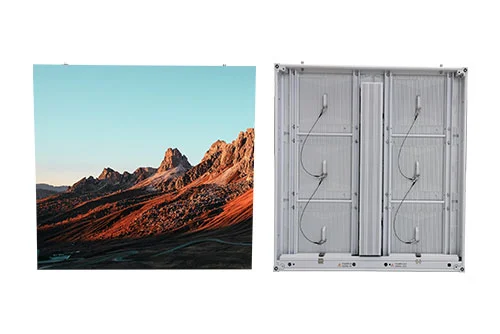
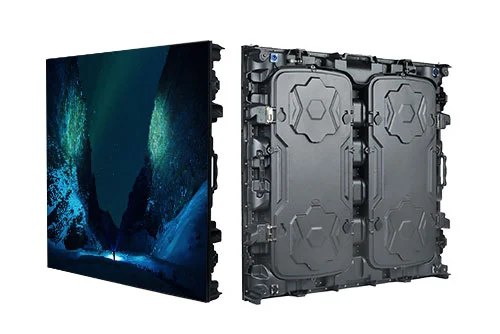
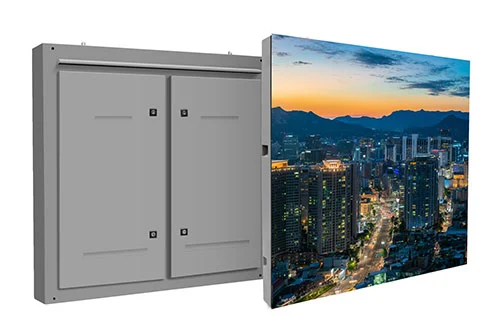
As urban populations grow, traffic congestion and road safety challenges have become a critical concern for cities worldwide. Traditional static road signs can no longer provide timely information for drivers in dynamic traffic environments. This is where a traffic LED display becomes a vital tool for modern traffic management.
LED traffic displays offer real-time communication to drivers, improving safety, reducing congestion, and supporting smart city initiatives.
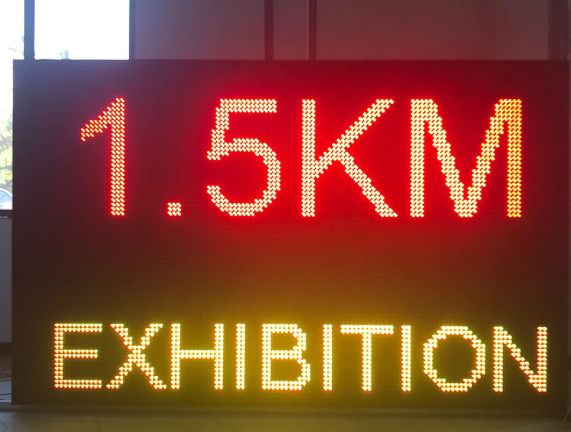
Transportation authorities and city planners are increasingly relying on dynamic traffic signage as part of Intelligent Transportation Systems (ITS). A traffic LED display enables:
Instant updates on traffic conditions
Real-time warnings for accidents or construction
Dynamic speed and lane guidance
Unlike static signs, LED displays can adapt to changing conditions, ensuring drivers receive the most relevant information at the right time. According to the U.S. Federal Highway Administration, real-time traffic information can reduce accident-related delays by up to 25% and improve traffic flow in urban corridors.
One of the primary benefits of a traffic LED display is its ability to warn drivers about hazards in real time. Typical alerts include:
Road closures and lane restrictions
Accident reports
Construction zone warnings
Adverse weather alerts
By delivering these messages promptly, drivers have more time to react safely, reducing the likelihood of collisions.
LED technology ensures that traffic messages remain readable under diverse conditions. Key advantages include:
| Condition | Visibility Performance |
| Daylight | High brightness ensures clear visibility |
| Nighttime | High contrast makes messages easy to read |
| Rain & Fog | Enhanced clarity compared to traditional signage |
This reliable visibility plays a crucial role in reducing accidents caused by missed or unclear signs.
Dynamic traffic displays are an essential component of smart city infrastructure. Key applications include:
Traffic LED displays can integrate with traffic management centers to provide:
Real-time congestion updates
Alternative route suggestions
Estimated travel times
Emergency notifications
This integration helps optimize traffic flow and reduce bottlenecks.
Cities can use LED traffic signage to:
Display bus or tram arrival times
Notify drivers of transit-only lanes
Communicate service updates
This improves coordination between private vehicles and public transport, making urban mobility more efficient.
In emergencies, traffic LED displays broadcast urgent instructions to drivers, such as evacuation routes or road closures, ensuring quick and safe response.
When selecting a traffic LED display for highways, urban streets, or construction zones, consider:
Visibility: Messages must be readable from sufficient distance under varying light conditions.
Durability: Outdoor displays need protection against rain, UV exposure, dust, and extreme temperatures.
Remote Management: Centralized control allows operators to update messages quickly.
Energy Efficiency: LED technology is naturally energy-saving, but optimized designs reduce long-term costs.
A reliable display not only communicates messages effectively but also withstands years of demanding outdoor conditions.
AI can analyze traffic patterns in real time, automatically adjusting LED displays to improve flow and reduce congestion.
Next-generation LED traffic displays may communicate directly with connected vehicles, enabling predictive alerts and smarter road usage.
Solar-powered LED traffic signs are increasingly popular for remote or environmentally conscious projects, reducing energy dependency and operational costs.
Modern traffic displays often connect with sensors, CCTV, and weather stations, enabling dynamic, data-driven messaging for safer and more efficient roads.
Traffic LED displays are no longer optional—they are a core component of modern traffic management. By providing real-time, visible, and actionable information, they enhance safety, optimize traffic flow, and support the development of smart cities. For any city or organization aiming to improve road efficiency and driver awareness, investing in advanced LED traffic signage is a practical and forward-looking decision.
A traffic LED display is an electronic sign used to communicate real-time traffic information such as road conditions, speed limits, accidents, construction, and emergency alerts.
By delivering instant warnings and guidance, traffic LED displays allow drivers to react earlier to hazards, reducing accidents.
Yes. Outdoor LED traffic displays are built to endure rain, heat, cold, and dust while remaining visible and functional.
Absolutely. They integrate with intelligent transportation systems to provide real-time traffic management and public communication.
Key factors include visibility, durability, remote control, energy efficiency, and compatibility with existing traffic systems.


 English
 日本語
日本語 français
 Deutsch
 Español
 italiano
 русский
 português
 العربية