LED screens have become a standard part of retail stores, shopping centers, exhibitions, corporate buildings, hotels, and commercial facades. However, not every project needs the same type of display.
A traditional LED screen creates a solid digital surface that prioritizes image visibility and pixel density. A transparent LED display, by contrast, is designed to present digital content while preserving part of the sightline through the screen. This makes it particularly relevant to glass walls, storefront windows, showrooms, and architectural spaces where completely covering the background is undesirable.
SeekstarLED offers both indoor and outdoor transparent LED solutions, with different pixel pitches, transparency levels, brightness specifications, and installation options for commercial projects.
So which option is better? The answer depends on what the display must accomplish.
The most obvious difference is the screen structure.
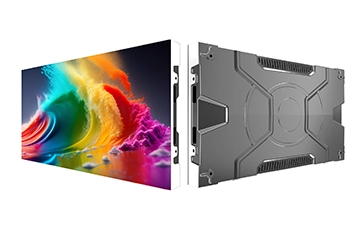
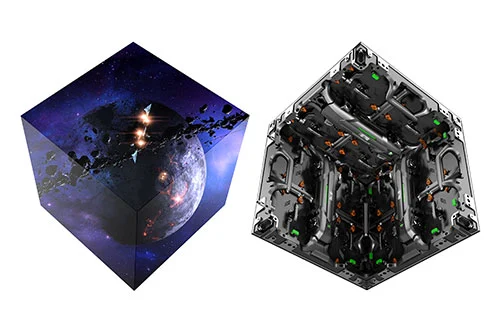
A conventional LED screen uses modules and cabinets that create an essentially solid visual surface. When installed in front of a wall, it normally hides whatever is behind it.
A transparent LED screen uses a more open structure with spaces between LED elements. This allows light and background objects to remain partially visible through the display. SeekstarLED describes its transparent system as using a hollow strip structure intended to reduce obstruction and preserve the visual character of a glass facade.
This structural difference changes the role of the display.
A conventional LED wall is usually selected when the screen itself should dominate the visual field. A transparent screen is more suitable when the display must coexist with architecture, products, natural light, or the view through glass.
The purchasing decision should therefore start with the commercial objective rather than simply comparing pixel pitch.
Transparency is the main reason businesses consider this technology.
In a retail window, for example, a traditional LED wall can display highly visible advertising but may also block customers from seeing merchandise behind the screen. A transparent system allows digital content and physical products to be presented within the same visual space.
This creates opportunities for fashion stores, car showrooms, jewelry displays, shopping malls, exhibition stands, and building entrances where the glass itself is part of the design.
SeekstarLED's current indoor transparent models list transparency levels from 53% to 74%, while its outdoor range includes configurations from 53% to 80%, depending on pixel pitch.
Higher transparency, however, is not automatically better.
Increasing the open area of the display generally means fewer LEDs occupy the same surface area. A project that prioritizes fine image detail at close range may therefore favor a denser display, while an architectural facade viewed from farther away can often prioritize transparency more strongly.
The correct balance depends on what viewers need to see both on the screen and behind it.
Image quality should be evaluated together with viewing distance.
A conventional LED display is often more appropriate when high pixel density and detailed content are the primary requirements. This is especially relevant for close-viewing environments where small text, fine graphics, or detailed video must remain clear.
Transparent displays work differently. Because preserving transparency is part of the design objective, buyers must balance pixel density against openness.
For SeekstarLED's outdoor transparent range, available pixel configurations extend from approximately P3.9/7.8 to P15.6/15.6, with recommended viewing distances increasing as pitch becomes larger. The outdoor models are specified at brightness levels of at least 4,500 cd/m².
Indoor models include P3.9/7.8, P5.2/10.4, P7.8/7.8 and P10.4/10.4 options, with different brightness and transparency combinations.
This illustrates an important procurement principle: do not select a screen by one specification in isolation.
Pixel pitch, brightness, viewing distance, content type, transparency, and installation environment need to be considered as a group.
Commercial display projects are not only about image specifications. Installation conditions can determine whether a screen is practical at all.
Glass curtain walls and retail windows may have limited space for supporting structures. A heavy cabinet system can increase requirements for steel framing and attachment points.
Transparent displays are designed to reduce visual and structural obstruction. SeekstarLED's indoor models are specified at approximately 10–13 kg/m² depending on configuration, while the listed outdoor transparent cabinet system is around 15 kg/m². Indoor systems can be base-mounted or suspended, while the outdoor range supports flexible installation and front or rear maintenance.
Maintenance access should be planned before installation.
A visually attractive design can become expensive to operate if technicians cannot reach modules, power supplies, or control components without removing architectural finishes.
For permanent commercial installations, buyers should therefore confirm the available service direction, distance behind the screen, cable routing, structural support, and access route before finalizing cabinet layout.
Neither technology is universally superior.
For a large video wall inside a shopping mall where the objective is maximum visual impact, a conventional LED screen may provide the more appropriate viewing experience.
For a storefront where merchandise must remain visible behind digital advertising, a transparent LED display can provide a better balance between digital content and the physical retail environment.
Exhibition booths present another useful application. Transparent screens can create layered visual effects without turning the booth into a closed wall. Indoor transparent systems can also be configured with different mounting approaches to accommodate temporary or architectural installations.
Outdoor facades introduce additional requirements. Weather protection, brightness, structural load, wind exposure, and maintenance become more important. SeekstarLED's outdoor transparent range uses die-cast aluminum cabinets, lists IP65 protection, and supports front or rear maintenance.
The correct technology therefore depends strongly on the physical site.
Screen price is only one part of project cost.
Buyers should also consider structural steelwork, installation labor, control equipment, cabling, power distribution, maintenance access, spare modules, and future service.
A conventional LED wall may be more economical when there is no need to preserve transparency. Paying for a specialized transparent structure would add little value if the display is mounted against an opaque wall.
By contrast, a transparent LED screen may help avoid heavy visual obstruction or extensive alteration to an existing glass facade. SeekstarLED's transparent category is specifically positioned for commercial windows, exhibition spaces, and building curtain walls.
Content strategy also matters. Transparent displays perform best when designers account for the background environment rather than simply transferring conventional full-screen advertising content onto the new format.
The display, architecture, and content should therefore be planned as one visual system.
Is a transparent LED display suitable for outdoor use?
Yes. Outdoor-specific transparent systems are designed for environmental exposure. SeekstarLED's current outdoor models list IP65 protection, brightness of at least 4,500 cd/m², die-cast aluminum cabinets, and an operating temperature range of -20°C to 60°C.
Is a transparent LED display better than a traditional LED wall?
It depends on the application. Transparent displays are particularly useful when glass visibility and architectural openness matter. Conventional LED walls are often preferable when maximum image density and an opaque visual surface are required.
Does higher transparency always mean a better screen?
No. Transparency should be balanced with pixel density, brightness, viewing distance, and the type of content being displayed.
Where are transparent LED screens commonly used?
Suitable environments include retail windows, exhibitions, commercial glass walls, showrooms, shopping centers, and building facades. SeekstarLED provides separate indoor and outdoor transparent configurations for these types of projects.


 English
 日本語
日本語 français
 Deutsch
 Español
 italiano
 русский
 português
 العربية